

Have you ever opened a drawer, closet, or cabinet and thought, “Where do I even start?”
If so, you’re not alone. One of the most common questions we hear at Mission 2 Organize is, “What’s the first step?” While many people think the answer is buying storage containers or installing shelves, Professional Organizers know the real first step is much simpler: sort everything into categories.
When you gather like items together before organizing, you can clearly see what you have, eliminate duplicates, and create maintainable storage systems that make sense for the way you live.
It’s tempting to start putting things away immediately—but that often leads to frustration or piecemeal ad hoc organizing systems that don’t work in the long run. Instead, Professional Organizers recommend removing everything from the space first. Yes, everything. Then sort the items into categories so you can see everything together.
Seeing every item together helps you:
- Discover duplicates
- Identify expired or broken items
- Recognize how much you actually own
- Make better storage decisions
- Create organized systems that last
Only after everything has been sorted into categories do we begin planning where each category should live.
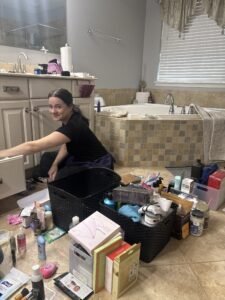
Our Four-Step Sorting System
At Mission 2 Organize, we follow a four-step sorting process to create highly functional spaces.
Step 1: Major Categories
Begin by grouping items into broad families.
For example, in a kitchen you might have:
- Cooking utensils
- Serving utensils
- Dishware
- Glasses
- Mugs
- Food Storage
- Wraps
- Small appliances
- Serving dishes
- Water bottles
- Dish towels
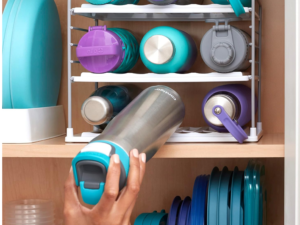
In a Bathroom:
- Hair care and tools
- Dental care
- First aid
- Cosmetics
- Toiletries
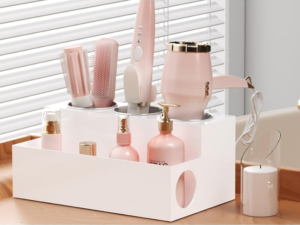
Remember, categories are simply items that belong in the same family.
Step 2: Subcategories
Once you’ve created your larger groups, break them into smaller ones.
For example, paperwork might become:
- Bills
- Tax documents
- Medical records
- School papers
- Warranties
- Critical documents (birth certificates, passports, etc.)
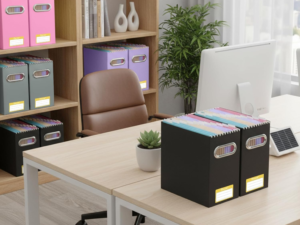
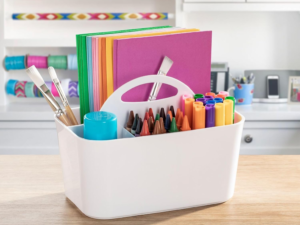
Craft supplies could include:
- Paint
- Fabric
- Yarn
- Paper crafting
- Sewing notions
- Tools
Step 3: Edit
Next, go through each item and ask yourself a series of questions:
- Do I use it? If yes, it’s a keep.
- Do I love it? If yes, keep.
- Do I have duplicates? If yes, consider donating.
- Is it broken? If yes, consider throwing it away or recycling (if applicable).
- Is it expired? If yes, consider throwing it away.
- Would someone else benefit from it more? If yes, consider donating or setting it aside to give to whomever you have in mind.
Editing before organizing helps make the most of your available space and prevents unnecessary clutter from returning. Plus, paring down things you don’t need often feels like weight removed from your shoulders that you may not have even known was there.
Step 4: Space Planning
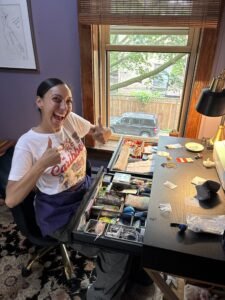
Only now, with everything sorted by categories and subcategories and edited, should you decide where everything belongs.
A good first step in space planning is to look at your categories and ask yourself:
- How often do I use this category?
- Where do I naturally look for it?
- How much space does this category need?
- Does it belong somewhere else?
This is where organizing becomes personalized. Once you decide where that category should live, then you can move on to deciding where in the space to put it and selecting storage solutions (e.g., bins, trays, bags, etc.) for it.
A Beginner-Friendly Version
Don’t have time for a full organizing session?
That’s okay!
Try this simplified method:
- Pull everything out.
- Sort into broad categories.
- Put like items back together.
Even this quick process creates immediate clarity.
You can always fine-tune the system later.

Tip #1: Think About How You Actually Live
One of the biggest mistakes people make is organizing based on where they think categories should go instead of where they actually use it.
For example:
- Coffee supplies may belong near the coffee maker—not spread throughout the kitchen or pantry.
- Homework supplies may work best near where the kids actually do their homework instead of the home office.
- Dog walking supplies may belong in the entryway or mudroom.
- Travel toiletries might stay inside your luggage storage area instead of the bathroom.
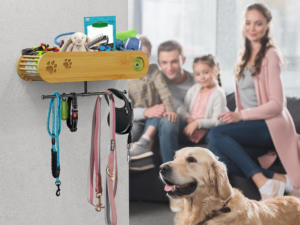
Good organization follows your habits—not someone else’s.
Tip #2: Create an “Elsewhere” Bin
As you sort, you’ll inevitably find items that belong somewhere else. Instead of running around the house, putting each item away immediately, keep one container labeled: “Elsewhere.”
If you have a lot that goes to a few spaces, choose 3 containers and temporarily label them for the room where they belong.
Continue sorting until you’re finished. Then make one trip around the house returning those items to their proper homes.
This saves time and helps you stay focused.
Categories Work in Every Room
The beauty of category sorting is that it works everywhere.
Whether you’re organizing your kitchen, closet, home office, garage, playroom, hobby room, or any other space, the process stays the same.
Gather like with like. Edit. Then organize.
Categories Help During Life Transitions
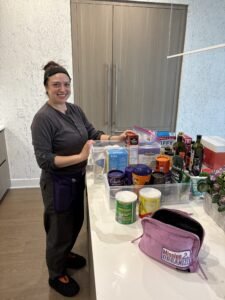
Category sorting isn’t only useful for everyday organizing. It also makes major life changes much easier:
- Packing prep
- Moving
- Downsizing
- Estate organization
- Seasonal storage
- Holiday décor
- Hosting supplies
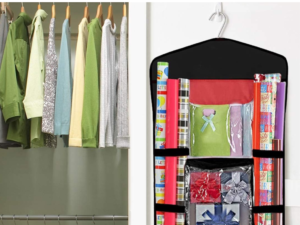
When everything is already grouped together, packing and unpacking, setup and takedown become dramatically simpler.
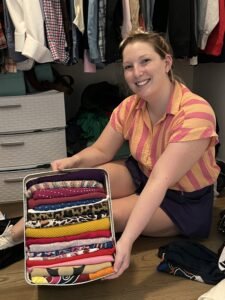
Final Thoughts
Professional Organizers don’t begin a project with containers. We begin with categories.
When you take the time to gather similar items together before deciding where they belong, you’ll make better decisions about what to keep, what to donate, and how much space each category truly needs.
Remember, organizing isn’t about making things look pretty. It’s about creating systems that make everyday life easier.
Whether you’re tackling a kitchen cabinet, a garage, or an entire home, category sorting provides the clarity needed to build an organized space that truly works for you.
One category at a time, you’ll begin to see your home—and your belongings—in a whole new way.
And if you’d prefer assistance, or to hand off the task all together, the Mission 2 Organize team is always here to help.
For more tips on Categories, watch our Youtube Video: How 2 Categorize Like a Professional Organizer: Timelapse Edition
Start using categories today to create a simpler, more functional space and share your favorite takeaway with us.