
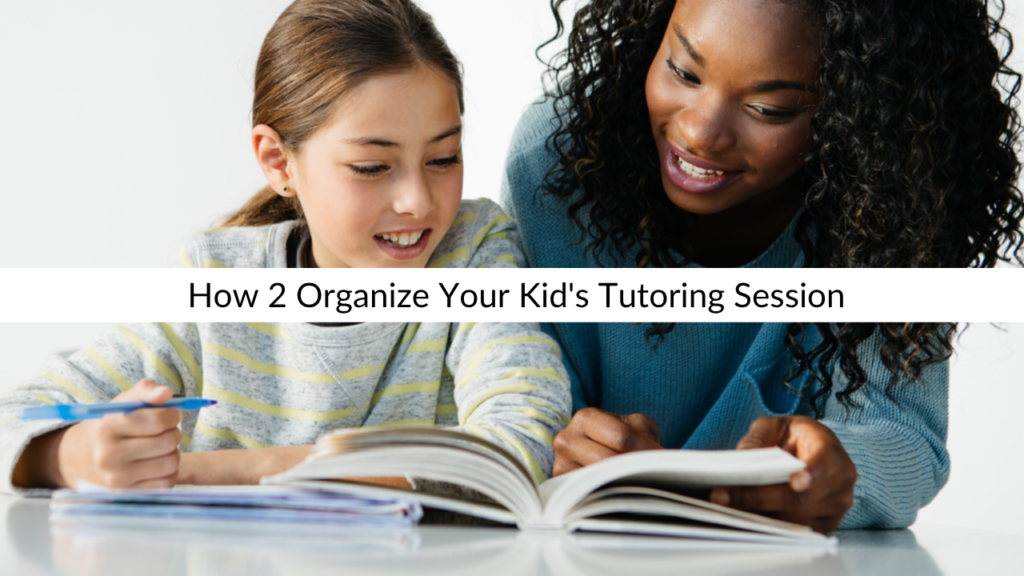
Enlisting the help of a tutor for your kid might just be what the teacher ordered.
Is your child struggling with homework, falling behind in a particular subject, or simply having a hard time keeping up with everything school requires? Are you at wits end on how to help them?

Just like successful home organizing, it isn’t just about “putting things away.” When a child is struggling with homework, studying, or keeping track of assignments, the answer isn’t simply “try harder.” (In fact, that message can cause more harm than good from a self-esteem perspective.) Instead, it’s about creating systems that make the work more manageable for the child using them—just like home organizing.
After all, academic success isn’t just about knowing the material. It also depends on organization, routines, time management, focus, and confidence. And just as Mission 2 Organize helps clients create tried-and-true organizing systems that make their homes easier to manage, the right tutor can help a child develop systems and strategies that make schoolwork more manageable.
Sometimes a little academic support can help a child develop the skills they need to become a more independent and successful student.
Organization Is a Skill—Not a Personality Trait
At M2O, we don’t believe people are simply “organized” or “disorganized.” Organization is a skill that can be learned. The same is true for students.
A child who forgets homework, loses papers, procrastinates, or struggles to prepare for a test isn’t necessarily lazy or careless. They may simply not have the systems they need to manage all the information and responsibilities that come with school.
That’s where tutoring can make a difference. A tutor can help a student develop:
- Study Skills
- Time Management Skills
- Learning Strategies
- Focus Skills
- Organizational Skills
- Assignment Tracking Systems
- Goal Setting Skills
- Routine Building Skills
The goal isn’t just to get through tonight’s homework. It’s to develop strategies a student can use again tomorrow—and next year.
Tutoring Isn’t Just for Catching Up
When most people think about kids tutoring, they may picture a student who is struggling in a particular subject. Of course, tutoring can provide valuable homework help, reading support, math tutoring, writing coaching, and test preparation. But tutoring doesn’t have to be a last resort.
Think of it like organizing. You don’t have to wait until your closet is so full that you can’t open the door before you create a better system. Similarly, you don’t have to wait until a child is significantly behind before providing additional academic support.
Starting early can help children strengthen skills before small challenges become bigger ones.

Find the System That Works
One of the first things we do as Professional Organizers is figure out how a client actually uses a space. What do they reach for every day? What makes a system easy—or difficult—to maintain? Students need the same kind of individualized approach.
A tutor can help determine whether a child learns best visually, needs information broken into smaller steps, benefits from movement breaks, or would do better with a visual checklist than a traditional planner. Some students may thrive with short study sessions rather than one long session.
Just as there isn’t one “right” organizing system, there isn’t one “right” way to learn. According to one of the Professional Organizers on the M2O team, who is also a tutor, one of her students works best by constantly moving, so she incorporates a lot of games and movements into her lessons, while another needs a very calm and quiet environment to learn.
The best system is the one that works for the child.

Build Systems Around the School Day
Sometimes the academic problem isn’t academic at all. A child may understand the material perfectly but lose assignments, forget books, or spend thirty minutes looking for a worksheet.
Simple systems can make a tremendous difference.
Backpack Organization
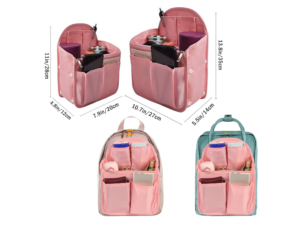
Create a consistent place for homework, completed assignments, school supplies, and personal items. Establish a regular time to clean out the backpack. Try this backpack organizer insert!
Binder Organization
Use clearly labeled sections for each subject and establish a routine for dealing with papers before they become a mountain. Choose the colors of these dividers according to your child’s preference.
Assignment Tracking
Choose one reliable system for tracking assignments. It might be a school app, planner, whiteboard, checklist, or whatever works for your kid! This dry erase storage clipboard may be a good 2-in-1 solution for student!

Homework Station
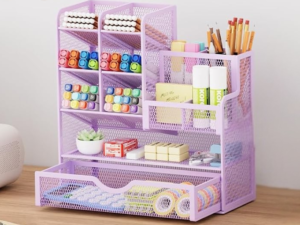
Create a dedicated workspace with the supplies your child actually uses. Keep distractions to a minimum and make frequently used items easy to access. Opt for something fun and visually appealing.
These systems don’t have to be complicated. In fact, that’s part of the point: simple systems are easier to maintain.
Routine Building Makes Everything Easier
At M2O, we often tell clients that a system is only successful if it can be maintained. The same is true for academic routines.
A predictable school routine can reduce the number of decisions a child has to make each afternoon.
For example: Arrive home → Snack → Break → Homework → Pack backpack → Free time
The routine may look different for every family, but the consistency is what matters.
A tutor can help students develop time management skills by breaking larger assignments into smaller pieces, estimating how long tasks will take, setting a timer and learning how to prioritize. These skills become increasingly important as children move into middle school, high school, college, and eventually the workplace.

How to Choose the Right Tutor for Your Child
While you definitely want a tutor who knows the subject matter (math or English, etc.), it’s also important to be on the lookout for someone who seeks to understand your child’s individual needs and can help them build an effective system.
-
Look for Experience
Ask whether the tutor has experience with your child’s age, academic level, and specific challenges.
-
Ask About Learning Strategies
How does the tutor approach students who struggle with organization, focus, or executive functioning?
-
Consider Learning Style
Some students respond particularly well to visual learning tools, while others need conversation, repetition, hands-on practice, or information broken into smaller steps.
-
Consider Personality
Your child should feel comfortable asking questions and making mistakes. A patient, encouraging tutor can make learning feel much less intimidating.
-
Look at the Whole Picture
If your child struggles with more than one subject, consider whether they need broader academic coaching rather than subject-specific tutoring.
The right tutor should become part of your child’s support system—not another source of pressure.
How Tutoring Builds Confidence (Not Just Grades)
One of the most rewarding parts of organizing is watching a client realize, I can do this. Tutoring can create that same feeling for kids.
Imagine a child who has always thought they’re “bad at math.” A tutor breaks a problem into manageable steps and teaches a strategy that makes sense, and suddenly the child gets the answer.
That success matters.
Confidence building happens when children experience themselves as capable. Tutoring can help students learn how to approach difficult assignments, prepare for tests, ask questions, and recover when something doesn’t go as planned.
The goal isn’t simply a better grade. It’s helping a child develop the confidence to think, I don’t know how to do this yet, but I know how to figure it out.

Specialized Academic Support
Some children need additional or specialized support. When choosing a tutor, ask about their experience with:
- IEP support
- 504 support
- Dyscalculia support
- ADHD-friendly systems
- Executive functioning challenges
- Learning differences
Tutoring should complement, not replace, the accommodations and services provided through a child’s school. Parents can also work with teachers, tutors, and school professionals to make sure everyone understands the child’s goals and needs.

Parent Support Without Becoming the Teacher
One advantage of tutoring is that it can take some of the academic pressure out of the parent-child relationship. Parents don’t have to become their child’s tutor. Instead, parental support can focus on maintaining the systems around learning:
- Establish consistent routines.
- Provide an appropriate workspace.
- Check the assignment-tracking system.
- Encourage effort and progress.
- Help set realistic goals.
- Communicate with teachers and tutors.
Just as an organizing system works best when everyone in the household understands how to use it, an academic system works best when parents and students know what to expect.
Organization and Academics: It’s All About the System
At Mission 2 Organize, we don’t expect clients to magically become organized. We introduce tried-and-true organizing methods, then adapt those methods to the individual to build a system that works for them.
The same philosophy can apply to academics.
A student doesn’t necessarily need to work harder. They may need a better system for getting started, staying focused, keeping track of assignments, studying for tests, or remembering what needs to come home from school.
Tutoring can provide the academic expertise. Organization systems can provide the structure. And together, they can help build a child’s confidence.

Final Thoughts
At M2O, we believe that good systems create freedom. When a home has systems that work, people spend less time searching, remembering, and recovering from chaos—and more time doing the things that matter.
The same is true for students.
Whether your child needs math tutoring, reading support, homework help, test preparation, or simply better study skills, the right support can do more than improve a report card. It can help them develop routines, organization, time management, and learning strategies that last.
And just like organizing a home, the goal isn’t perfection. It’s finding a system that works—and making it easier to use every day.
If you’re ready to pursue tutoring for your child, an easy place to start are reputable tutoring and learning agencies in your area or recommendations from teachers or other parents.
If you live in Chicago, our tutor/Professional Organizer team member recommends the Learning Lab.
Which systems have you found that help set your child up for academic success?