
The Professional Organizer’s Guide to Building a Travel Itinerary That Actually Works.
Planning a trip should feel exciting. The last thing you want to do is juggle confirmation emails, multiple airline apps, and vague directions to your hotel. As Professional Organizers, we approach travel the same way we approach a home. We create a system, keep the essentials easy to access, and leave room for real life to happen. A well-organized travel itinerary helps you stay on time, stay safe, and stay within budget.
Below are the key considerations we recommend when building a travel itinerary that actually works.
Start Smart: Travel Planning Apps That Keep Your Itinerary Organized
Digital tools can keep all your travel details in one place so you’re not digging through your phone for emails or your purse for paper confirmations at the airport. The goal is to keep reservations, schedules, and directions organized in one easy-to-access system.
Top Apps Professional Organizers Recommend:
- Wanderlog – All-in-one travel planning app that helps you organize itineraries, map out activities, track reservations, and collaborate with travel companions so your entire trip plan stays neatly in one place.
- TripIt – Forward your confirmations and it automatically builds your itinerary in one place.
- Google Maps – Save restaurants, attractions, and hotels ahead of time so you’re not wandering around hungry and lost.
- Hopper – Tracks flight prices and helps you decide the best time to book.
- PackPoint – Creates a packing list based on weather and planned activities.
- TravelSpend – Tracks expenses so you can see exactly where your travel budget is going.
- Airline Apps – Real-time notifications for gate changes, boarding passes, and delays.

Safety First: Travel Itinerary Considerations That Protect You
Organization isn’t just about schedules—it’s about being prepared for the unexpected. A few minutes of preparation can prevent a lot of travel stress later.
Top Travel Safety Considerations:
- Digitize important documents such as passports, IDs, and insurance cards.
- Share your itinerary with a trusted contact so someone knows where you are.
- Research neighborhoods and transportation options before arriving.
- Keep valuables organized in secure bags and avoid storing everything in one place.
- Know local emergency numbers and nearby hospitals or police stations.
- Register for travel alerts when traveling internationally.
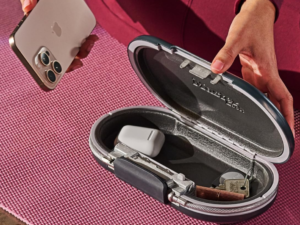
- Use the hotel’s safety box to store valuables.
Airline Delays Happen: How to Keep Your Itinerary on Track
Airline schedules are sometimes more like optimistic suggestions. A flexible itinerary can help you stay calm when plans change. Because a little flexibility in your schedule can save your entire travel day.
Strategies Professional Organizers Use at the Airport:
- Build buffer time between connecting flights and scheduled activities.
- Choose early flights when possible to avoid delay domino effects.
- Set multiple calendar reminders for airport departure and boarding times.
- Track flights in real time through airline apps or flight trackers.
- Plan backup activities in case your arrival time changes.
- Carry on essentials like chargers, snacks, and a change of clothes.

Hotel and Lodging: Choosing Accommodations That Fit Your Travel Style
Where you stay can make or break a trip. The “perfect” hotel for one traveler might be a nightmare for another. Therefore, it’s important to choose lodging that fits your travel style and priorities.
Consider These Factors When Booking Accommodations:
- Location matters more than luxury. Staying near your planned activities can save time, transportation costs, and a lot of unnecessary commuting.
- Check reviews for practical details. Pay attention to comments about cleanliness, noise levels, and safety—not just the photos.
- Look for amenities that support your trip style. Free breakfast, laundry access, kitchenettes, or workspaces can make travel much easier.

- Consider transportation access. Proximity to public transit, walkability, or parking options can impact your daily schedule.
- Choose the right lodging type. Hotels, boutique inns, vacation rentals, and hostels each offer very different experiences depending on how you like to travel. Don’t forget to pack the right shoes for your preferred experiences!

The best accommodation isn’t always the most expensive one. It’s the one that supports how you actually plan to spend your time.

Plan Activities That Match Your Lifestyle
One of the biggest travel planning mistakes we see here at M2O is over-scheduling. Your itinerary should reflect your lifestyle and energy level. A thoughtful itinerary should enhance your trip, not exhaust you before day two. It should never feel like a race to check every attraction off a list.
Plan Activities with These Considerations in Mind:
- Know your pace. Some travelers love packed schedules while others prefer slow mornings and spontaneous afternoons.
- Prioritize meaningful experiences. Choose a few must-do activities instead of trying to see everything.

- Balance high-energy and low-key activities. A full day of sightseeing might need a relaxed evening afterward.
- Leave open space in your schedule. Unexpected discoveries are often the best parts of travel.
- Consider your travel group. Kids, older adults, or mixed interests may require flexible activity planning.
Budget-Friendly Travel Planning: How to Stick to Your Budget
Nothing ruins vacation memories quite like returning home to a terrifying credit card bill. A little financial organization ensures your travel memories last longer than the bill.
Smart Travel Budgeting Tips:
- Create category budgets for flights, hotels, food, transportation, and activities.
- Prioritize your must-do experiences and allocate money there first.
- Plan low-cost days with walking tours, parks, or local markets.
- Use a daily spending limit to keep expenses balanced across the trip.
- Track spending in real time with a budgeting app or notes in your phone.
- Leave a buffer fund (about 10–15%) for surprises.
Final Thoughts: Structure Without Stress
The best travel itineraries balance organization with flexibility. Plan the essentials, keep your information organized, and give yourself permission to be spontaneous. Let your itinerary work for you instead of against you. You’ll thank us later when you spend less time worrying about logistics and more time enjoying the adventure.
And that’s exactly how travel should feel. ✈️
Ready to organize your perfect travel itinerary for a smooth trip? We want to hear your best travel tips!