Have you ever opened your cleaning cabinet and found it overflowing with half-used bottles of commercial cleaners full of harsh, hard-to-pronounce ingredients? We at M2O are here to tell you, you don’t need an excessive number of products to keep your home fresh and sparkling. With a few simple ingredients, reusable containers and cloths, and a streamlined system, you can DIY your way to shining, clean, fresh spaces while reducing waste, creating a healthier home, protecting the environment—and you may even save a little money on the way.
Here’s how to embrace DIY cleaning solutions in the safe, green way.
Why Bother With Green Cleaning?
In many homes we visit, cleaning supplies are often a big clutter hotspot. Under-sink cabinets and utility closets often contain:
- Half-used specialty sprays
- Duplicate products purchased “just in case” or because they were “cheaper” in bulk
- Expired cleaners
- Mystery bottles with no labels
- Disposable wipes in bulk packaging

Over time, these collections grow, taking up space and creating visual overwhelm.
But it doesn’t have to be that way. You can accomplish almost all of your cleaning tasks with half a dozen simple, natural ingredients, along with some reusable bottles and clothes and a little DIY spirit. The result?
- Fewer products overall, shrinking your storage needs
- Multi-purpose ingredients
- Eliminate single-use products
- Healthier indoor air quality and toxin-free home that’s safe for kids and pets
- Less toxic contaminants into the public water system and local ecosystems
With a small set of versatile staples, your systems become simpler, maintenance becomes easier, and you contribute to a healthier home and environment.

Eco-Friendly Cleaning Shopping List
The following simple non-toxic products can get you started with many everyday cleaning tasks. And chances are, you already have a few of them in your home.
Ingredients
1. White Vinegar
A natural deodorizer and mineral buildup remover. It’s excellent for glass, fixtures, and many hard surfaces. (Avoid using it on natural stone like marble or granite.)
2. Baking Soda
A gentle abrasive that scrubs sinks, tubs, and stovetops. It also neutralizes odors in refrigerators, trash cans, and carpets.
3. Castile Soap
A plant-based soap that works beautifully for floors, countertops, and general surface cleaning when diluted.
4. Hydrogen Peroxide
A mild disinfectant useful for bathrooms and kitchens. It can help sanitize surfaces safely when used correctly.
5. Lemon Juice
Naturally cuts grease and leaves a fresh scent. It’s also helpful for removing light stains and buildup.
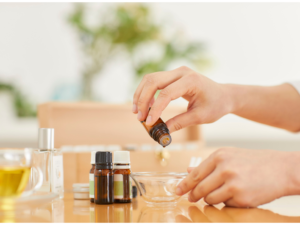
6. Essential Oils (Optional)
You can add essential oils (like tea tree, lavender, or lemon) to your cleaning solutions for fragrance.
Supplies
1. Reusable Bottles
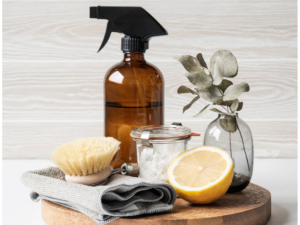
Glass spray bottles offer multiple advantages over the plastic bottles commercial cleaning products come in. First and foremost, they are refillable. Second, glass bottles don’t degrade, leach chemicals, or react with ingredients, so they’re the safest, healthiest option.
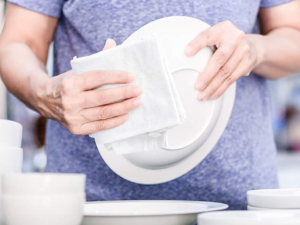
2. Reusable Cloths
Single-use wipes and paper towels create a lot of waste and take up a lot of space. Reusable cloths are compact and healthier for the environment. Plus, if you run out, you just need to run a quick load of laundry instead of heading out to the store. Cotton cloths or rags from old cotton T-shirts or towels are ideal, as cotton is biodegradable. Microfiber, though reusable, has been shown to shed microplastics into waterways during washing. That said, if you already own microfiber cloths, better to use what you have and replace with cotton as they wear out.
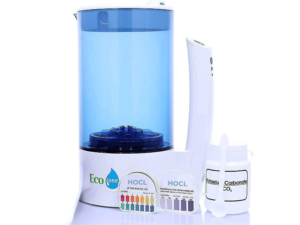
3. Hypochlorous Acid Generator Machine (Optional)
If you want to take your eco-friendly cleaning to the next level, one of our professional organizers swears by her HOLC generator machine. It’s a bit more of an investment, but HOLC is the most effective eco-friendly disinfectant. The combination of water, a smidge of salt, and electricity produces hypochlorous acid—a safe, non-toxic disinfectant that’s as gentle as water yet strong enough to kill 99.99% of pathogens. At different concentrations, you can use it as a vegetable wash or all-purpose disinfectant. Some people even use it in their skin care routines!
5 Simple DIY Cleaning Recipes
Here are a few easy formulas using the ingredients we mentioned above that are practical for everyday use. These mixtures are easy to make in small batches, which helps prevent waste and ensures freshness.
All-Purpose Spray
Mix equal parts water and white vinegar in a labeled spray bottle. Add a few drops of essential oil if desired. This works well for most sealed surfaces, glass, and fixtures.
Soft Scrub Paste
Combine baking soda with a small amount of castile soap and just enough water to form a smooth paste. You can also add essential oils. Use for sinks, tubs, and stovetops where you need gentle scrubbing power.
Glass Cleaner
A simple 1.5 cup water, .5 cup vinegar, with a tablespoon of rubbing alcohol solution leaves windows and mirrors streak-free when wiped with a microfiber cloth.
Nontoxic Floor Cleaner
Castile soap mixed with water works well to clean hard floors, whether it’s wood, laminate, vinyl or tile. It’s plant-based and cuts through dirt and grease without leaving harsh chemical residue. Plus, a little goes a long way. If you need a little more oomph for grout, try mixing baking soda with a small amount of vinegar to form a scrub paste. For carpet, a sprinkle of baking soda before vacuuming will act as a deodorizer.
Drain Cleaner
To freshen up a stinky drain or help clear out gunky pipes, try sprinkling baking soda down the drain, pour in vinegar, and let it do its fizzy thing. Then pour in some boiling water to flush it all away.
Bonus: Hand Soap
While not exactly a household cleaning product, everyone needs to wash their hands, especially after cleaning! Mix distilled water and castile soap, add some essential oils for fragrance, and voila! You can make both regular and foaming, depending on the ratios of ingredients.

Green Doesn’t Mean Careless
Environmentally conscious cleaning still requires safe handling. Natural ingredients are healthier than chemicals, but they must be used thoughtfully.
Important safety reminders:
- Never mix vinegar and bleach.
- Never mix hydrogen peroxide and vinegar.
- Clearly label all containers.
- Store products safely away from children and pets.
- Date homemade mixtures and discard if they become cloudy or develop an unusual odor.
- Test on a small area before full application.
Organizing Your Green Cleaning System
Switching to green cleaning is also an opportunity to reset your storage systems. Here’s how we recommend organizing DIY cleaning supplies:
- Use uniform, clearly labeled glass or durable spray bottles.
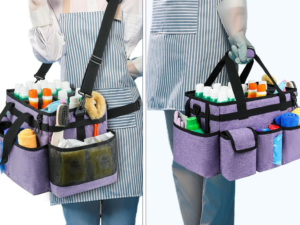
- Keep frequently used ingredients together in a portable cleaning caddy.
- Store backups in a small, defined bin—not scattered across cabinets.
- Maintain a simple inventory list to avoid overbuying.
- Keep the system visible and accessible so it’s easy to maintain.
One of the most satisfying transformations we see is turning an overcrowded, chaotic under-sink cabinet into a streamlined, efficient cleaning station. When everything has a designated place, maintenance becomes routine rather than overwhelming.
Final Thoughts
These small shifts add up. Over time, they reduce household waste and lower the volume of products you need to purchase and store. By reducing excess products, switching to green products, and reusing containers, you create a home that is:
- Cleaner
- Safer
- More organized
- Environmentally sound
Our team is excited to offer a cleaning add-on to our organizing services. This is a unique service in the organizing industry and helps set us apart from other companies. We’re a one-stop shop!
At Mission 2 Organize, we believe that organization and cleaning support wellness, both for your home and the planet. When your systems are simple and sustainable, maintaining them becomes second nature.
And that’s the true goal: a home that feels lighter, calmer, and easier to care for every day, and an environment that can sustain our communities.
What are your favorite green cleaning tricks?
For more green cleaning tips, watch our Youtube Video: Interview with Lindsey Handrinos from Green Life Swaps!