

She-sheds work best when their setup is driven by purpose, not just aesthetics.
Contrary to popular belief, she-sheds don’t always have to be in a physical shed outside (although they could be!). You also can make any space into a she-shed getaway with the right planning. As Professional Organizers, we approach she-sheds just like any room in the home. We define how the space will be used, decide what needs to live there year-round, and create systems that keep it functional and efficient for your specific needs. Below are some common types and purposes of she-sheds we see in the Chicagoland area—and how to set each one up for long-term success.
Creative Studios
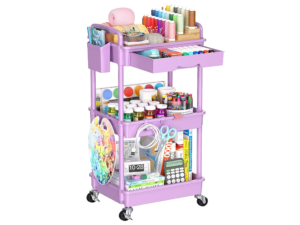
Art, sewing, writing, and crafting thrive when supplies are visible and easy to reach—but never overwhelming. Fabric storage, cutting tables, machine stations, and climate-smart bins keep supplies protected while allowing easy access during long winter projects. Use clear, labeled bins to quickly check inventory. Add vertical storage like pegboards, hooks, and shelving to keep work surfaces clear and projects contained. Create zones for “active projects” and “archived supplies” so half-finished ideas don’t take over. Use a small wheeled cart to artfully display your art supply collection or tuck it out of sight.

Home Offices
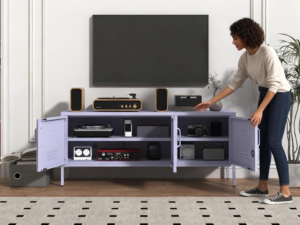
If you don’t have a separate space for your she-shed get away, a home office can be a multipurpose space with the right systems in place. An office can double as a reading nook, a home workout zone, a physical media (like DVDs and records) display, or storage for any special interest you might have. Start with three things: a dedicated desk zone, organized tech storage, and an intentional paper management system. Pay attention to cable management, task lighting, and ergonomics. A she-shed just needs to feel separate, functional, and motivating for the purposes you intend for it.
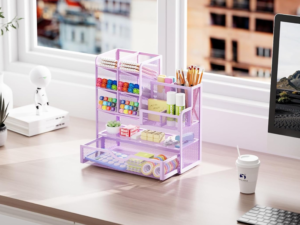
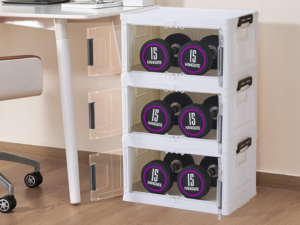
Store supplies for other uses of the space like yoga props and weights in dust-safe closed containers. That way, they aren’t distracting you when you are working, but are also easily accessible and motivating to keep up your workout routine. Only include items that support the current purpose of the space—extra clutter just adds visual noise. With a thoughtful layout, the space will support focused work without distracting clutter.
Garage Hobby Workshop
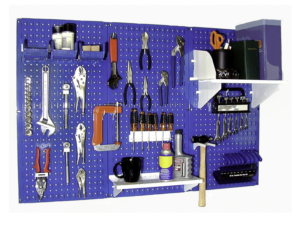
Another option for creative, hands-on she-shedding includes making space for building, painting, gardening, and DIY projects. Or you may consider making space for furniture flipping, bike repair, or home restoration projects. These spaces are best organized with walls of tool, labeled hardware storage, and versitile work surfaces. Set them up with durable surfaces, vertical tool storage, and sealed bins to handle temperature swings. Strong systems keep workshops and hobby sheds functional. Store tools vertically with a pegboard or in modular systems that adapt as projects change. Keep frequently used items within arm’s reach, and place seasonal or specialty tools in labeled, sealed bins. Define work zones and maintain clear pathways.
Why Garage Organization Matters During Chicago Winters
In Chicago winters, garages can drop well below freezing, putting electronics and other sensitive items at real risk of damage. Cold temperatures can drain batteries, crack screens, and create condensation when items warm back up. This is especially true for gaming systems, power tools, musical and video production equipment, and anything with moving parts. It’s important to know what you need to bring inside or to climate controlled storage.
On top of that, garage DIYers often have to manage limited electrical capacity. Balancing space heaters with power-hungry tools and appliances, and powering basic tools you don’t always think about, like the garage door opener.
Between protecting equipment and staying warm without overloading circuits, winter use adds an extra layer of challenge—making intentional organization and planning essential for safely using the space year-round.
Gaming Den
Additionally, a personal escape for console or PC gaming might be up your alley. With organized media storage, charging stations, sound management, and comfortable seating, you can screate a space stays functional for just you or for your whole crew. This space is dedicated to gaming, music, or personal downtime. Clearly define media storage, charging stations, and seating zones. Give sound equipment, games, and accessories dedicated spots so the space stays accessible, organized, and ready for fun.
Get an inside look at Chloe’s video game den and Katelyn’s garage workshop in our YouTube video, M2O Exposed: Gaming Den and Workshop Tours.
An organized she-shed does more than offer an escape—it actively supports how you live and work. From a Professional Organizer’s perspective, here are practical tips for maintaining a functional she-shed:
- Purpose-Driven Zones: First, whether the shed is used for creative work, business, wellness, or hobbies, defining zones prevents clutter from taking over during off-seasons.
- Climate-Smart Storage: Midwest temperature swings require sealed bins, vertical storage, and materials that won’t warp, rust, or degrade over time.
- Seasonal Flexibility: As importantly, a well-organized she-shed adapts easily—summer gear rotates out, winter tools rotate in, without chaos.
- Efficient Layouts: Thoughtful placement of frequently used items ensures the space stays usable, even when you’re bundled up in February.
- Maintenance Systems: Finally, simple reset routines keep the shed from becoming a forgotten storage zone when life gets busy.
To summarize, the most successful she-sheds use organizational systems that account for real life, real weather, and how the space is actually used. When the structure works, the space stays functional, inviting, and ready to use all year long.
If you’re ready to turn your she-shed into a space that truly supports how you live and work, Mission 2 Organize can help.
Up next, watch our Youtube Video to see a tour two of our team members ‘She Sheds’: M2O Exposed: Gaming Den and Workshop Tours
Visit Mission2Organize.com to explore our organizing services and start building systems that last.